By Megan Frye
In this guest article, Megan shares her experience visiting Quilombo dos Palmares in Serra da Barriga, one of the most important sites of Black resistance in Brazil.
In the mist-laden hills of Serra da Barriga, about a two hour’s drive from GoBrazil school in Garça Torta, Alagoas, lies one of the most powerful sites of African resistance in the Americas: Quilombo dos Palmares. This once-thriving refuge was a beacon of Black autonomy, home to thousands of people who had escaped enslavement. It endured for more than a century, from the early 1600s until its fall in 1694, making it one of the longest-lasting and most formidable quilombos in Brazilian history.
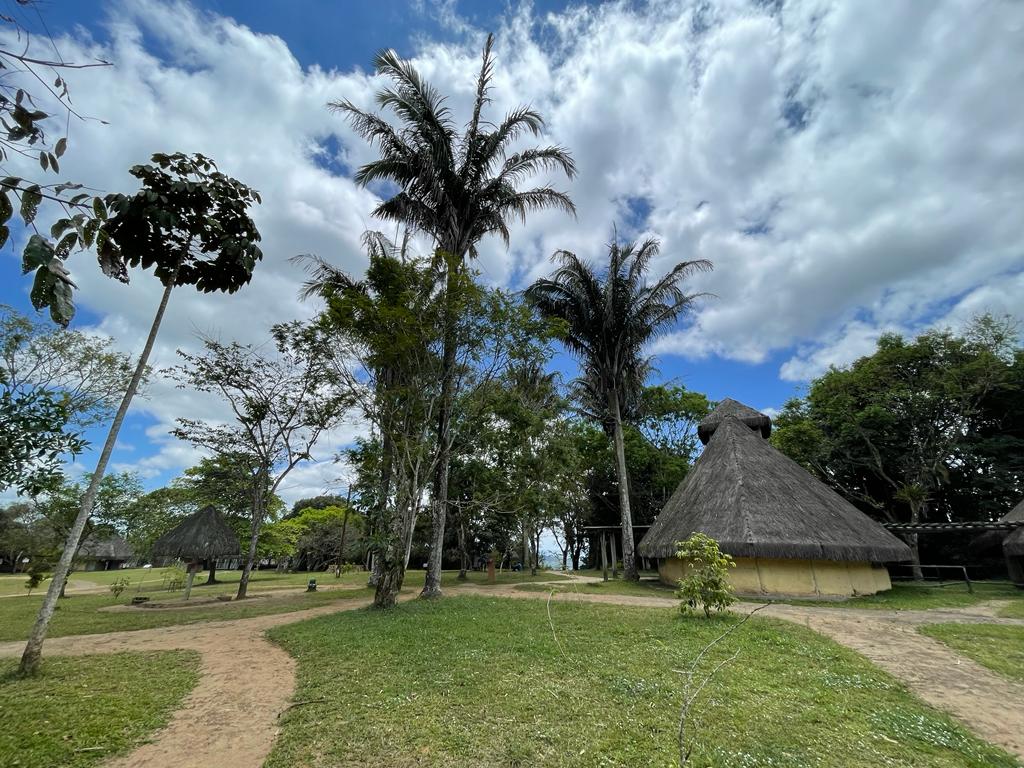
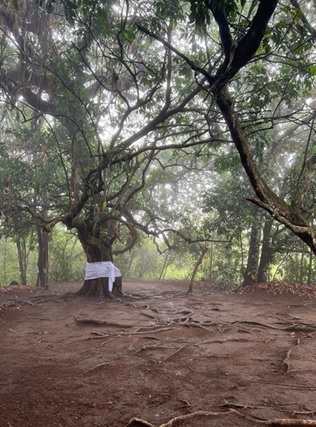
Our guide, Helcias Pereira, a social educator based in Maceió, led us up the winding road through thick groves of mango and jackfruit trees, the air thick with the scent of wet earth and fruit. It had been raining since morning, and as we arrived, a dense fog curled around the hills, giving the land an eerie, sacred presence. This place was once ruled by the legendary Zumbi dos Palmares, who was born free in the quilombo, captured as a child, and later returned to lead his people in their fight against Portuguese forces. Before him, the quilombo had been governed by Ganga Zumba, and oral histories also speak of Aqualtune, an Angolan princess brought to Brazil as a slave, who escaped and played a crucial role in shaping the community.
Palmares was more than a refuge—it was a structured society, with villages, farms, and a system of governance rooted in African traditions. At its height, it housed an estimated 6,000 people at a time, more than 30,000 in its history, including not only those who had escaped slavery but also Indigenous allies and even poor whites fleeing colonial rule. The people of Palmares developed elaborate defense strategies and resisted repeated Portuguese and Dutch attacks for decades, making it one of the most resilient strongholds of Black resistance in the New World.
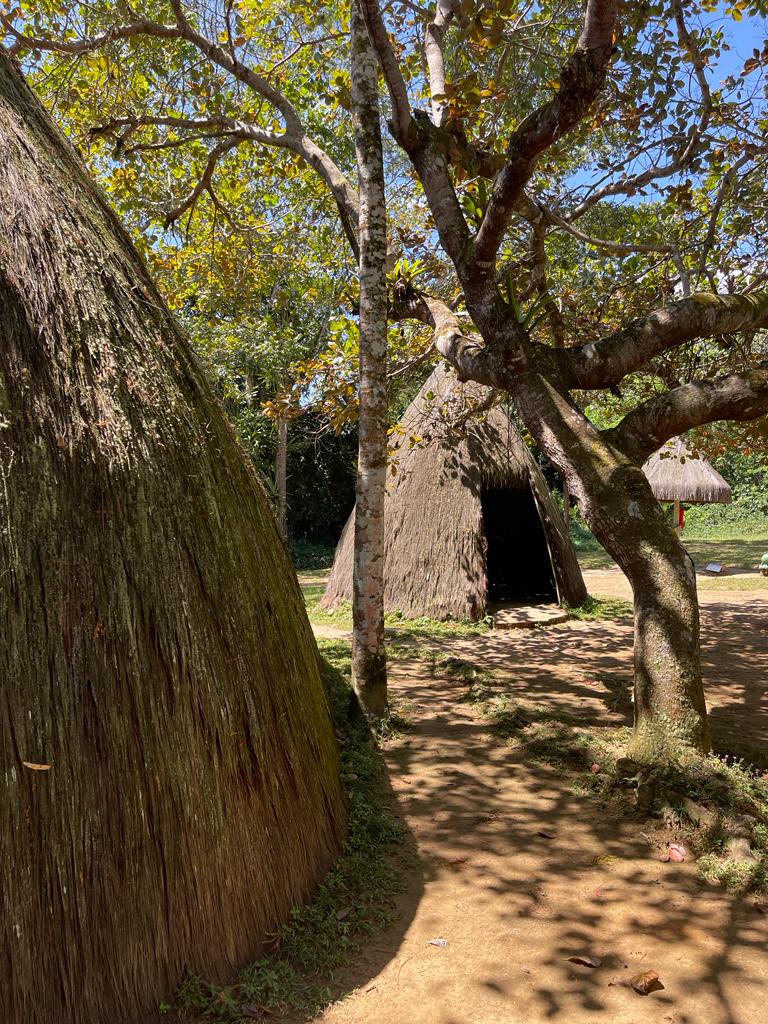
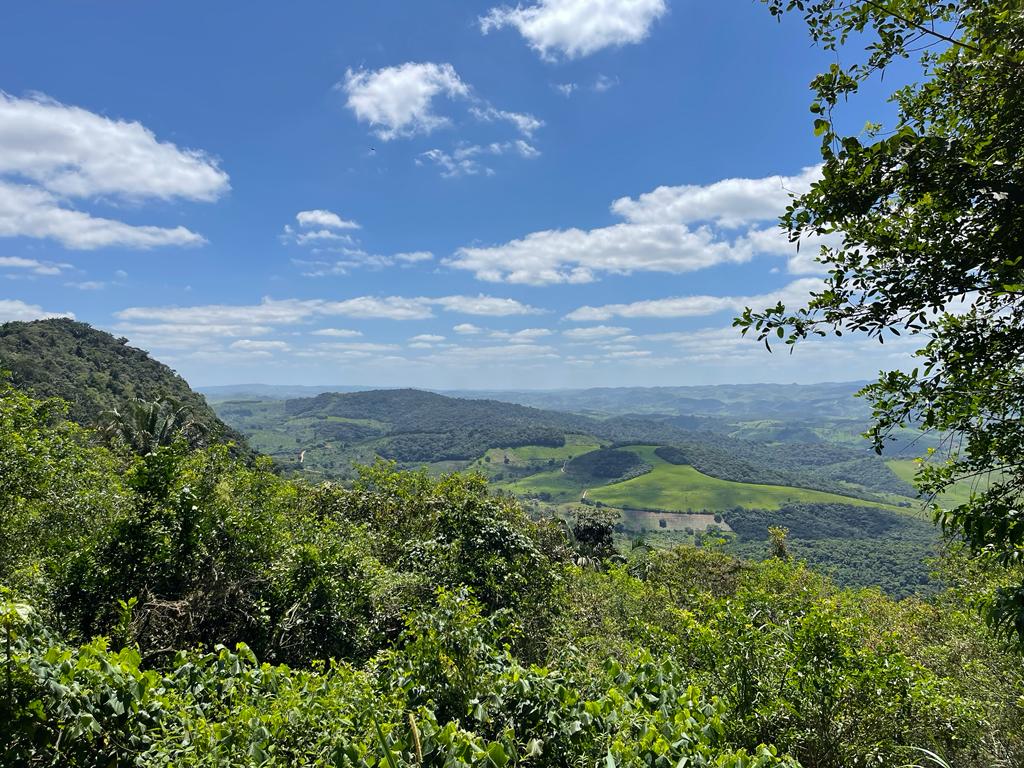
During our visit, we learned more about the Orishas, the deities of the African diaspora, whose presence has never left this land. Today, this historic site is preserved as a national heritage park, thanks in large part to the efforts of Black activists and historians who fought to recognize its significance. Walking through the space, we saw tributes to Black Brazilian artists, writers, and musicians, as well as a Capoeira performance, the rhythmic movement and call-and-response music echoing the martial art’s origins in enslaved resistance.
During our visit, we learned more about the Orishas, the deities of the African diaspora, whose presence has never left this land. Today, this historic site is preserved as a national heritage park, thanks in large part to the efforts of Black activists and historians who fought to recognize its significance. Walking through the space, we saw tributes to Black Brazilian artists, writers, and musicians, as well as a Capoeira performance, the rhythmic movement and call-and-response music echoing the martial art’s origins in enslaved resistance.
At one point, we were handed a cup of a spiced drink—a blend of ginger, passion fruit, clove, cinnamon, and honey. The flavors were deep, layered, and unmistakably tied to African culinary roots, reminding us of the ways culture and resistance are preserved through food.
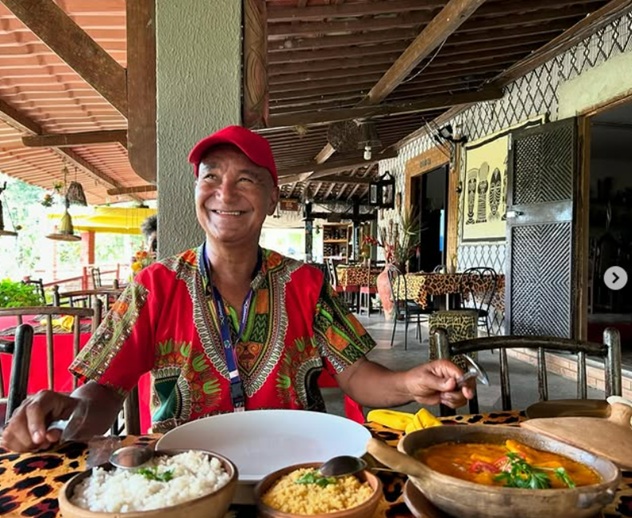
Leaving the park, we made our way to Baobá, a restaurant just outside the quilombo, dedicated to African-inspired cuisine. There, we sat at a long wooden table, eating stewed chicken, beans, rice and mango salad, dishes rich in palm oil, coconut, and deep, earthy spices. They even have a vegetarian version of the popular local moqueca seafood dish, featuring bananas, perfect for anyone who can’t enjoy the dish because of shellfish allergies.
One story stayed with me: how African women, knowing they might be taken from their homelands, wove seeds into their braids—carrying the essence of their world with them, ensuring survival. Many of those seeds are planted in the Quilombo today, still. Growing traditions that began centuries ago in west Africa and survived the unthinkable in order to still be standing today. That resilience is still alive in Alagoas today, a testament to the strength, defiance, and beauty of Black resistance.
For anyone visiting Brazil, visiting a quilombo is essential. And if you’re in Alagoas, you can’t miss Palmares. It is not just history — it is an enduring spirit, still growing in the land itself.
Related reading:
Why November 20 Matters in Brazil: Understanding Black Awareness Day